 Space Launch Now
Soyuz-FG | Soyuz MS-15
Russian Federal Space Agency (ROSCOSMOS) · Baikonur Cosmodrome, Republic of Kazakhstan
· 2019-09-25 13:57:42 UTC
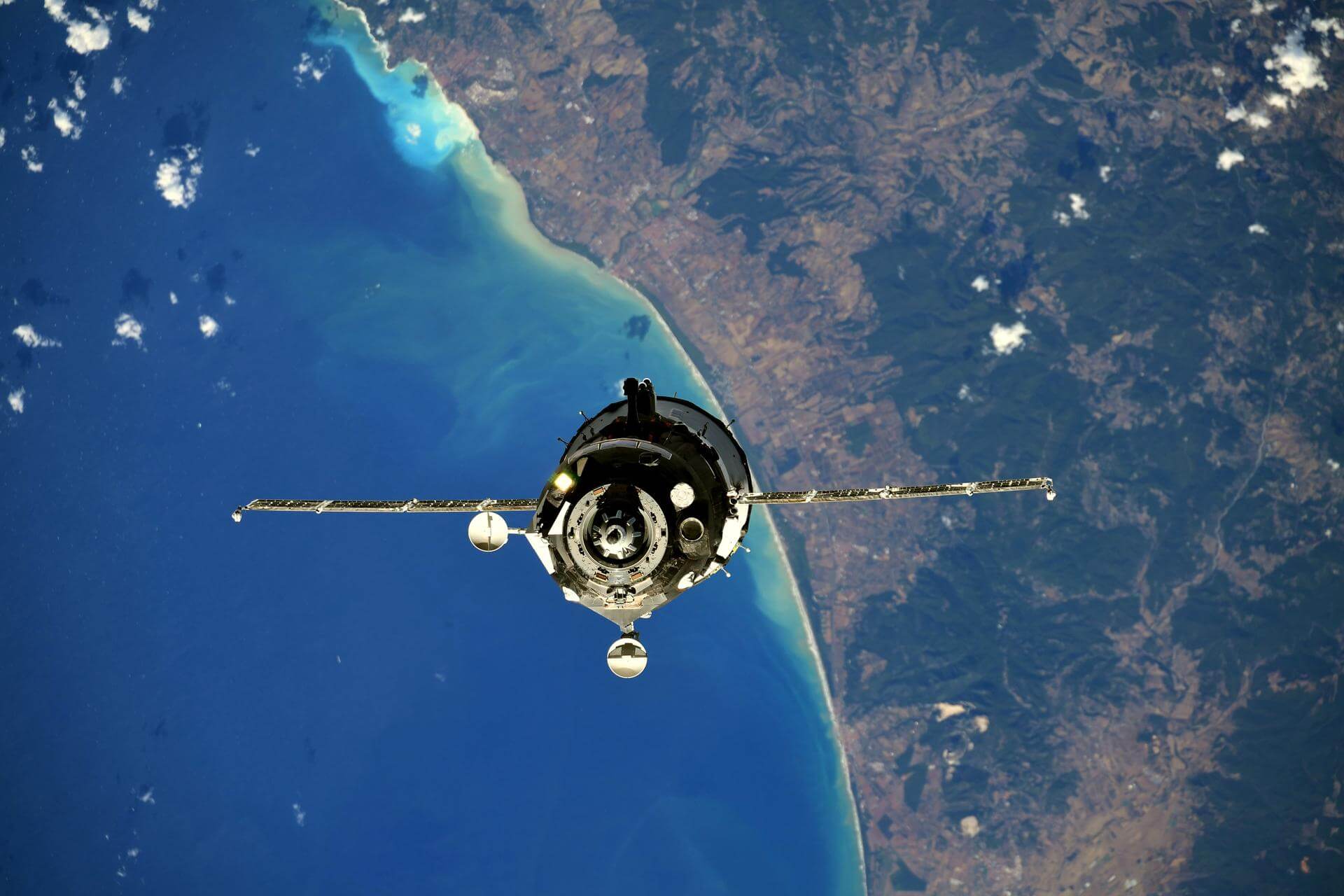
Docking · International Space Station
NET 2019-09-25 19:45 UTC
Soyuz MS-15 begins expedition 61 by carrying NASA astronaut Jessica Meir, Roscosmos cosmonaut Oleg Skripochka and United Arab Emirates’ Hazzaa Ali Almansoori, a Roscosmos spaceflight participant and first Emirati in space that will spend only 8 days aboard ISS before returning to Earth aboard a Soyuz MS-12. Docking is scheduled for 19:45 UTC
Russian Federal Space Agency (ROSCOSMOS) · Baikonur Cosmodrome, Republic of Kazakhstan
· 2019-09-25 13:57:42 UTC
First module
1998
launched
Mass
419.7t
Pressurized volume
931m³
Active · Government · Low Earth Orbit
The International Space Station (ISS) is a space station, or a habitable artificial satellite, in low Earth orbit. Its first component was launched into orbit in 1998, with the first long-term residents arriving in November 2000. It has been inhabited continuously since that date. The last pressurised module was fitted in 2011, and an experimental inflatable space habitat was added in 2016. The station is expected to operate until 2030. Development and assembly of the station continues, with several new elements scheduled for launch in 2019. The ISS is the largest human-made body in low Earth orbit and can often be seen with the naked eye from Earth. The ISS consists of pressurised habitation modules, structural trusses, solar arrays, radiators, docking ports, experiment bays and robotic arms. ISS components have been launched by Russian Proton and Soyuz rockets, and American Space Shuttles.
Space Launch Now for iOS and Android
A notification before this event starts, the countdown on your home screen and watch, and the webcast when it starts.