 Space Launch Now
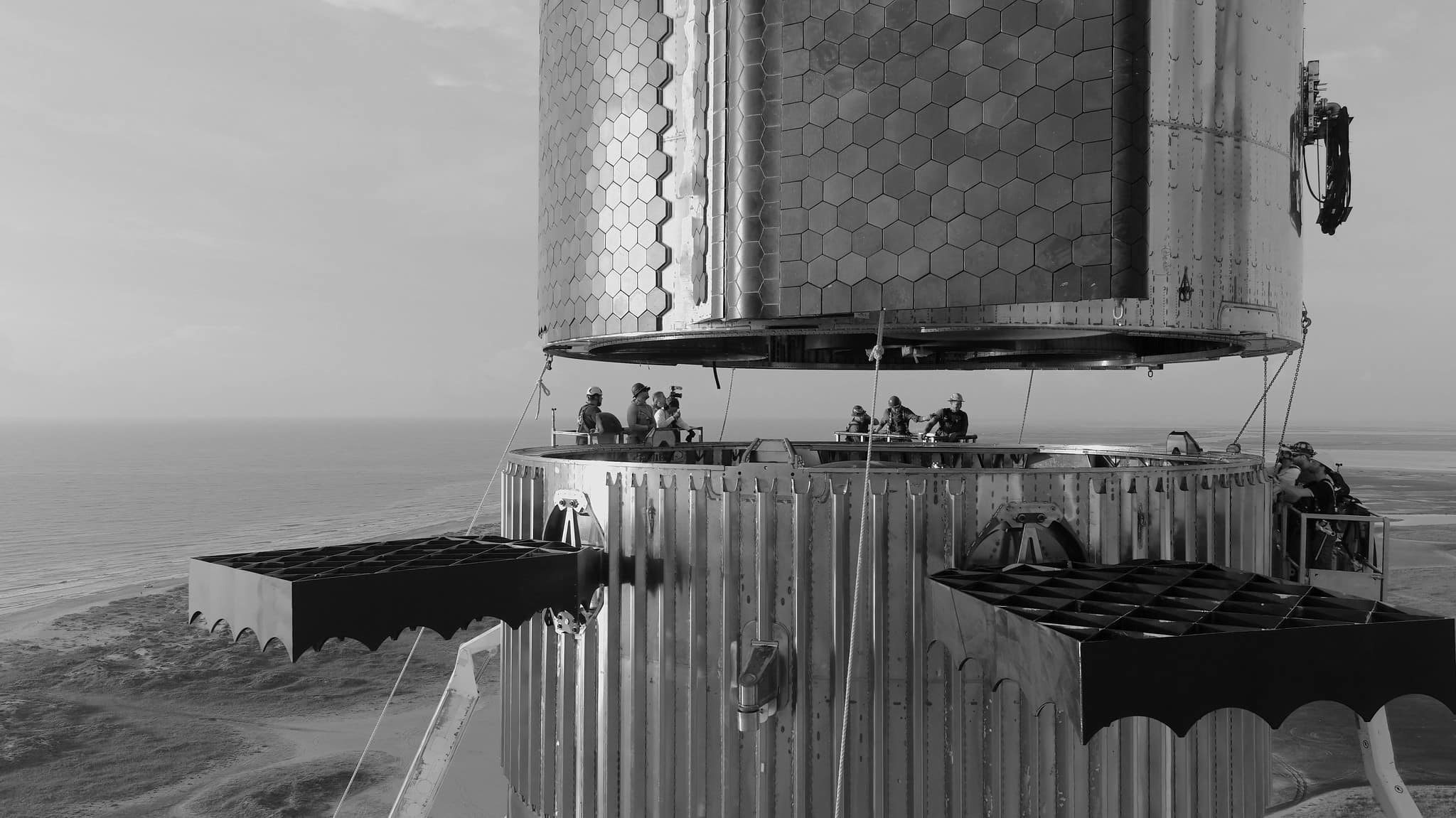
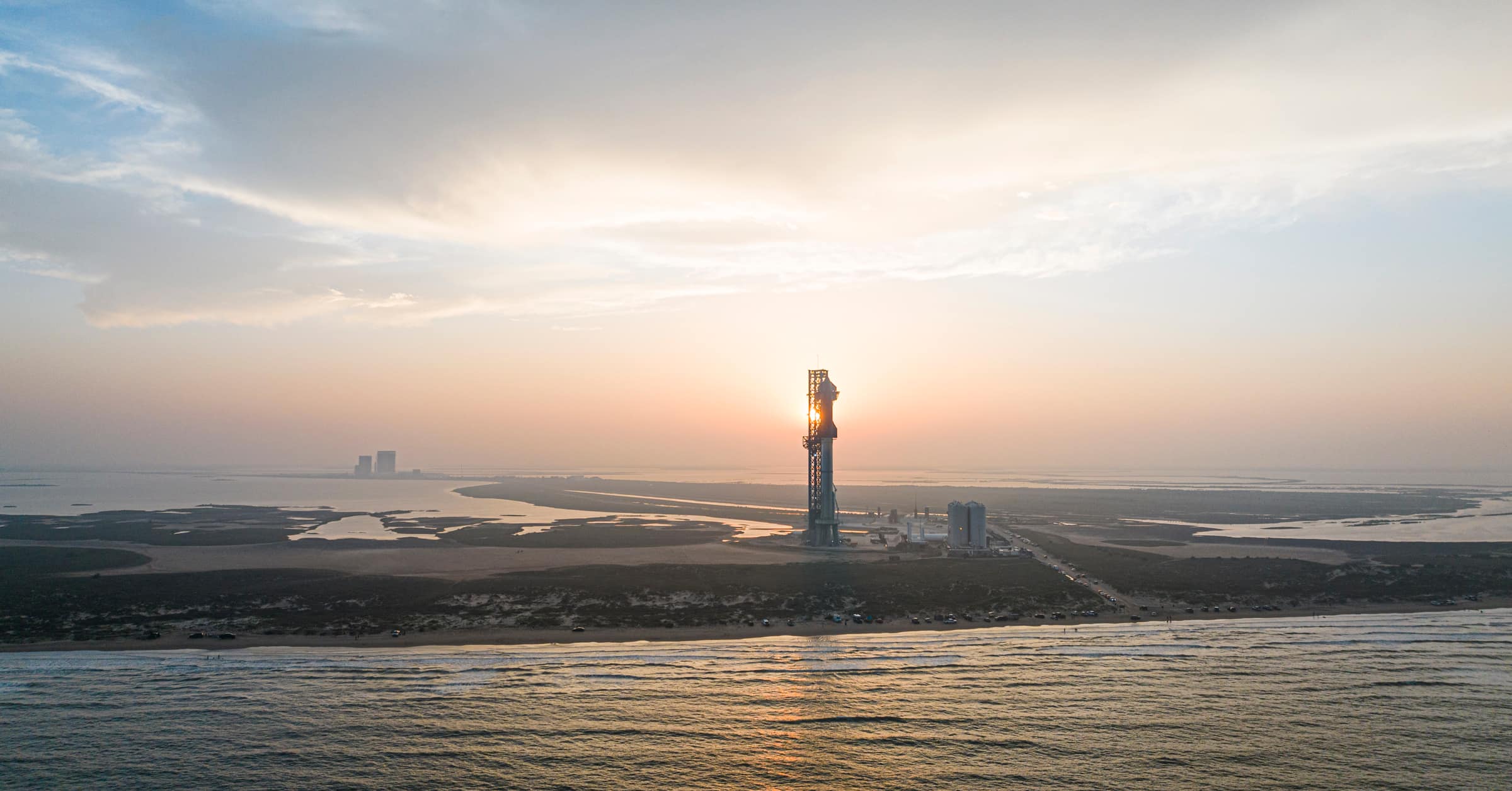
Up next
NET Q4 · no date set yet
Flight 15
Next flightStarship V3
15th test flight of the two-stage Starship launch vehicle and 4th flight of Starship V3.

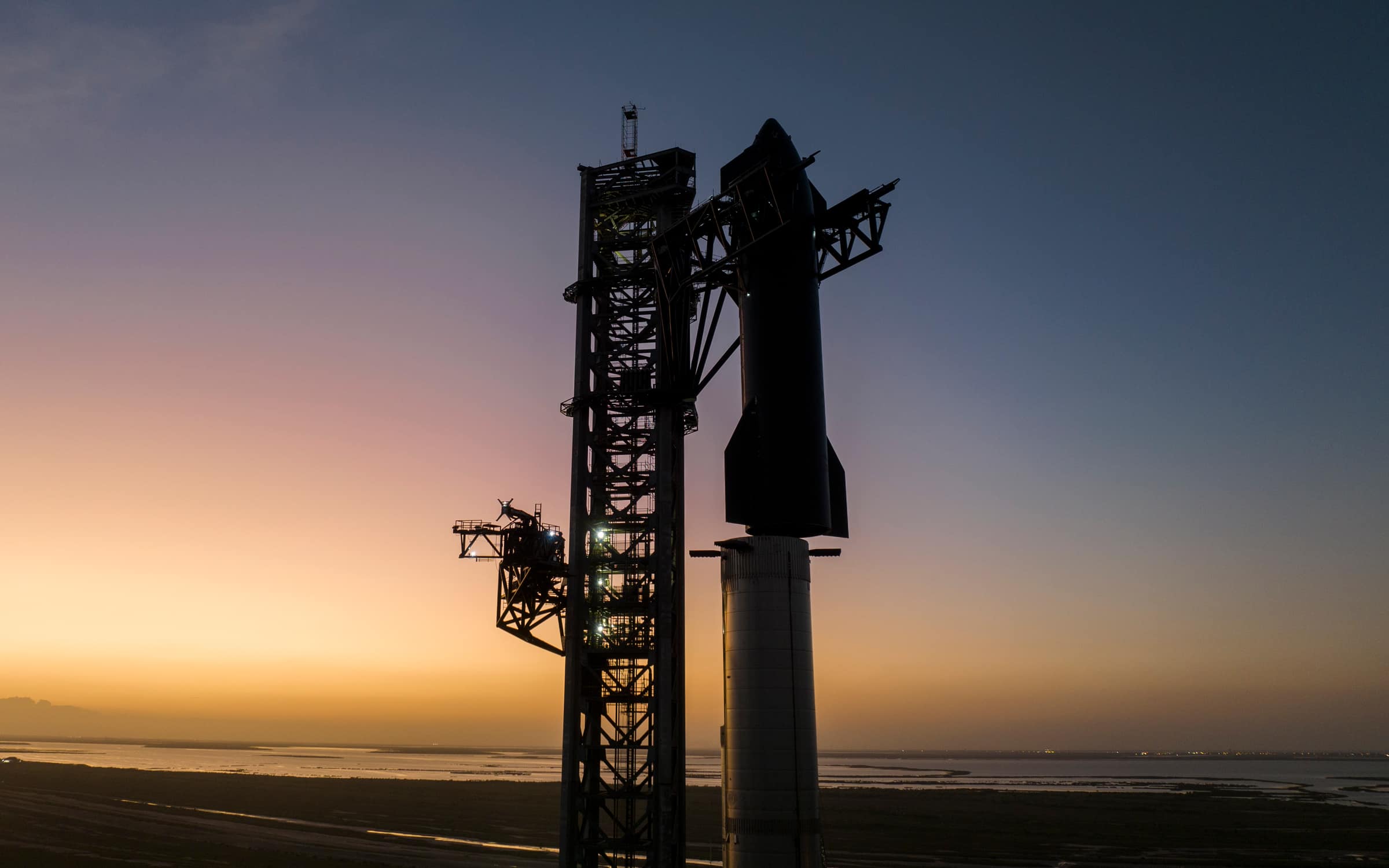
SpaceX Starship program · Starbase, Texas
The fully reusable super heavy-lift rocket SpaceX has been flying since 2019, from 20-meter hops to Starlink deployments in orbit.
Up next
15th test flight of the two-stage Starship launch vehicle and 4th flight of Starship V3.
Flights
23
since the first hop
Integrated flights
14
of Super Heavy and Starship
Fully successful
9 of 14
integrated flights
Starship V3
3 of 3
flights fully successful
Flights scheduled
1
14th test flight of the two-stage Starship launch vehicle. 3rd flight of Starship V3 and the first Starship flight to deploy satellites (a group of Starlink satellites known as Starlink Group 31-1) into stable Low Earth Orbit. The ship is expected to fly at an altitude approximately 275 km above Earth and complete approximately 6 orbits around the planet for nearly 10 hours, with splashdown targeted in the Pacific Ocean west of Chile. The booster’s primary test objective on Flight 14 will be executing a successful launch, ascent, stage separation, boostback burn, and landing burn at an offshore landing point in the Gulf. Starship will deliver 26 Starlink V3 satellites to orbit for the first time, which aim to greatly expand the network's capacity and user speeds. Each Starlink V3 satellite will add 1 Tbps of capacity to the constellation.
 Starlink Group 31-1 (Starship Flight 14) replay

NASASpaceflight ·
As SpaceX prepares to fly Flight 15 in November, with a successful Static Fire test… The post Possible Roberts Road Expansion as SpaceX pushes for Flight 16 appeared first on NASASpaceFlight.com.
Arstechnica ·
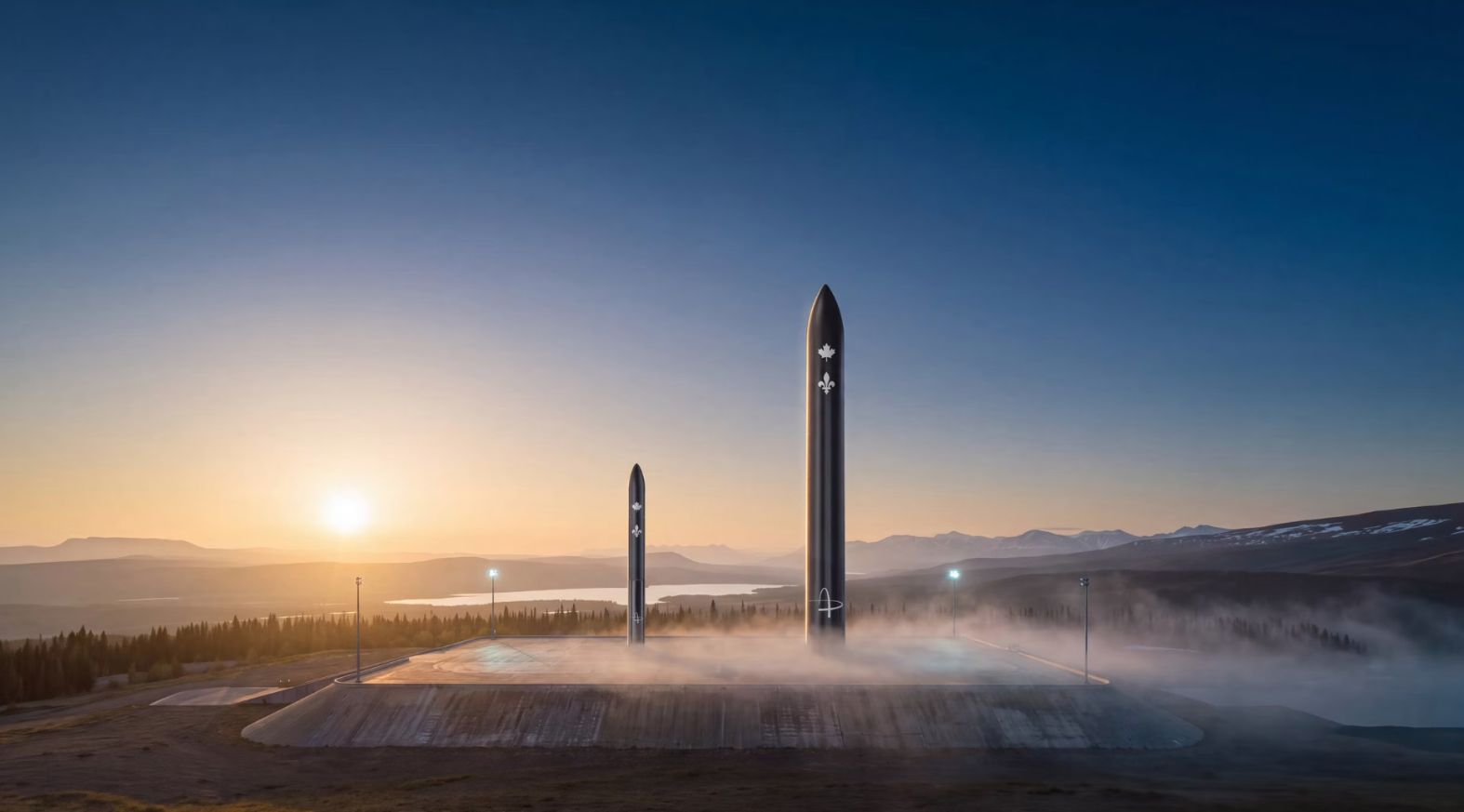
"We believe Canada should be able to reach orbit on its own terms."

NASASpaceflight ·
SpaceX is advancing toward its next two Starship missions as the company looks to close… The post SpaceX working through Starship Flight 15 and 16 milestones appeared first on NASASpaceFlight.com.
Headlines link to the publishers. News from the Spaceflight News API.
2019 to today
Up next
NET Q4 · no date set yet
15th test flight of the two-stage Starship launch vehicle and 4th flight of Starship V3.
Sep 28, 2026 · 12:48 UTC
14th test flight of the two-stage Starship launch vehicle. 3rd flight of Starship V3 and the first Starship flight to deploy satellites (a group of Starlink satellites known as Starlink Group 31-1) into stable Low Earth Orbit. The ship is expected to fly at an altitude approximately 275 km above Earth and complete approximately 6 orbits around the planet for nearly 10 hours, with splashdown targeted in the Pacific Ocean west of Chile. The booster’s primary test objective on Flight 14 will be executing a successful launch, ascent, stage separation, boostback burn, and landing burn at an offshore landing point in the Gulf. Starship will deliver 26 Starlink V3 satellites to orbit for the first time, which aim to greatly expand the network's capacity and user speeds. Each Starlink V3 satellite will add 1 Tbps of capacity to the constellation.
Jul 24, 2026 · 22:51 UTC
13th test flight of the two-stage Starship launch vehicle. Second flight of Starship V3. For the first time, Starship will carry 20 V3 Starlink satellites to space, which will extend solar arrays and antennas and will attempt to connect with ground stations in South Africa and the larger Starlink constellation via high-capacity lasers. 6 of the satellites have been modified with a suite of cameras to scan Starship’s heat shield and transmit imagery down to operators to continue testing methods of analyzing Starship’s heat shield readiness for return to launch site on future missions. Several tiles on Starship have been painted white to simulate missing tiles and serve as imaging targets in the test.
May 22, 2026 · 22:30 UTC
12th test flight of the two-stage Starship launch vehicle. Maiden Flight of Starship V3. The flight test’s primary goal will be to demonstrate each of these new pieces in the flight environment for the first time, with each element of the Starship architecture featuring significant redesigns to enable full and rapid reuse that incorporate learnings from years of development and test. The Starship upper stage will target multiple in-space and reentry objectives, including a payload deployment of 20 Starlink simulators, similar in size to next-generation Starlink V3 satellites, and two specially modified Starlink satellites. The two modified satellites will test hardware planned for Starlink V3 and will attempt to scan Starship’s heat shield and transmit imagery down to operators to test methods of analyzing Starship’s heat shield readiness for return to launch site on future missions. Several tiles on Starship have been painted white to simulate missing tiles and serve as imaging targets in the test. The Starlink simulators will be on the same suborbital trajectory as Starship. A relight of a single Raptor engine while in space is also planned. For Starship entry, a single heat shield tile has been intentionally removed to measure the aerodynamic load differences on adjacent tiles when there is a tile missing. Finally, the ship will perform experimental actions tested on previous flight tests, including a maneuver to intentionally stress the structural limits of the vehicle’s rear flaps and a dynamic banking maneuver to mimic the trajectory that future missions returning to Starbase will fly.

Oct 13, 2025 · 23:23 UTC
11th test flight of the two-stage Starship launch vehicle.

Aug 26, 2025 · 23:30 UTC
10th test flight of the two-stage Starship launch vehicle.

May 27, 2025 · 23:36 UTC
9th test flight of the two-stage Starship launch vehicle.
Mar 6, 2025 · 23:30 UTC
Eighth test flight of the two-stage Starship launch vehicle.
What happened
Ship 34 lost 4 out of 6 Raptors at around T+8:00 and entered unrecoverable roll.
Jan 16, 2025 · 22:37 UTC
Seventh test flight of the two-stage Starship launch vehicle.
What happened
Ship 33 lost all 6 engines gradually late in ascent and was observed to have self-destructed.
Nov 19, 2024 · 22:00 UTC
Sixth test flight of the two-stage Starship launch vehicle.

Oct 13, 2024 · 12:25 UTC
Fifth test flight of the two-stage Starship launch vehicle.

Jun 6, 2024 · 12:50 UTC
Fourth test flight of the two-stage Starship launch vehicle.

Mar 14, 2024 · 13:25 UTC
Third test flight of the two-stage Starship launch vehicle.

Nov 18, 2023 · 13:02 UTC
Second test flight of the two-stage Starship launch vehicle. The booster is expected to separate 170 seconds into flight and return to land approximately 32 km off the shore in the Gulf of Mexico. The second stage will follow a suborbital trajectory and perform an unpowered splashdown approximately 100 km off the northwest coast of Kauai (Hawaii).
What happened
Flight termination system activated on Starship after T+8 minutes, seconds before planned SECO, due to a leak of liquid oxygen causing a combustion event and fires which led to a loss of communication. Booster was destroyed during the boost-back burn. most likely due to a filter blockage on a liquid oxygen line supplying the engines. Most planned primary objectives achieved.

Apr 20, 2023 · 13:33 UTC
Maiden flight of the two-stage Starship launch vehicle. The booster was supposed to separate 170 seconds into flight and return to land approximately 32 km off the shore in the Gulf of Mexico. The second stage would have followed a suborbital trajectory and performed an unpowered splashdown approximately 100 km off the northwest coast of Kauai (Hawaii). A launch failure was experienced before stage separation.
What happened
After liftoff, the vehicle sustained fires from leaking propellant in the aft end of the Super Heavy booster, severing connection with the vehicle’s primary flight computer. This led to a loss of communications to most of the booster engines and eventually control of the vehicle. After the second stage failed to separate from the first stage, the vehicle reached an apogee of ~39km before tumbling downwards until the flight termination system was activated. Unexpected severe damage was also imparted on the launch pad.

May 5, 2021 · 22:24 UTC
The SN15 Starship prototype will perform a test flight similar to SN8 to SN11. It will launch up to an altitude of 10 km or 33,000 ft and do a belly flop maneuver followed by a controlled descent to the landing pad.

Mar 30, 2021 · 13:00 UTC
The SN11 Starship prototype performed a test flight similar to SN8, SN9 and SN10. It launched up to an altitude of 10 km or 33,000 ft and did a belly flop maneuver followed by a controlled descent, but got destroyed during the landing maneuver.
Mar 3, 2021 · 23:15 UTC
The SN10 Starship performed a test flight similar to SN8 and SN9. It launched up to an altitude of 10 km or 33,000 ft, did a belly flop maneuver followed by a controlled descent to the landing pad. Despite successfully performing the landing flip maneuver with its three Raptor engines, its vertical velocity was too high on landing, damaging its structure and resulting in an explosive destruction a few minutes after touchdown.
Feb 2, 2021 · 20:25 UTC
The SN9 Starship performed a first flight similar to the one of SN8. It launched up to an altitude of 10 km or 33,000 ft, did a belly flop maneuver and a controlled descent to the landing pad where the landing flip maneuver was unsuccessful and resulted in the destruction of the prototype on impact.
What happened
Destroyed on landing

Dec 9, 2020 · 22:45 UTC
The SN8 Starship prototype was destroyed when attempting to land after a first flight to an altitude of 12.5 km or 41,000 ft.
What happened
Test completed set out objectives, but the vehicle failed to land successfully due to low pressure in the propellant header tanks cutting out the engines.

Sep 3, 2020 · 17:48 UTC
The Starship SN6 prototype sucessfully performed a 150m hop similar to the one successfully performed by its predecessor SN5.

Aug 4, 2020 · 23:57 UTC
The Starship SN5 first flight was a 150m 'hop' from SpaceX's South Texas Launch Site in Boca Chica Village.

Aug 27, 2019 · 22:02 UTC
SpaceX's latest prototype rocket design, Starhopper, has successfully performed a 150m hop on Tuesday August 27, 2019 at 22:02 UTC.

Jul 26, 2019 · 03:45 UTC
The Starhopper test article performed an untethered hop to an altitude of 20m.

Up next
NET Q4 · no date set yet
15th test flight of the two-stage Starship launch vehicle and 4th flight of Starship V3.
Sep 28, 2026 · 12:48 UTC
14th test flight of the two-stage Starship launch vehicle. 3rd flight of Starship V3 and the first Starship flight to deploy satellites (a group of Starlink satellites known as Starlink Group 31-1) into stable Low Earth Orbit. The ship is expected to fly at an altitude approximately 275 km above Earth and complete approximately 6 orbits around the planet for nearly 10 hours, with splashdown targeted in the Pacific Ocean west of Chile. The booster’s primary test objective on Flight 14 will be executing a successful launch, ascent, stage separation, boostback burn, and landing burn at an offshore landing point in the Gulf. Starship will deliver 26 Starlink V3 satellites to orbit for the first time, which aim to greatly expand the network's capacity and user speeds. Each Starlink V3 satellite will add 1 Tbps of capacity to the constellation.
Jul 24, 2026 · 22:51 UTC
13th test flight of the two-stage Starship launch vehicle. Second flight of Starship V3. For the first time, Starship will carry 20 V3 Starlink satellites to space, which will extend solar arrays and antennas and will attempt to connect with ground stations in South Africa and the larger Starlink constellation via high-capacity lasers. 6 of the satellites have been modified with a suite of cameras to scan Starship’s heat shield and transmit imagery down to operators to continue testing methods of analyzing Starship’s heat shield readiness for return to launch site on future missions. Several tiles on Starship have been painted white to simulate missing tiles and serve as imaging targets in the test.
May 22, 2026 · 22:30 UTC
12th test flight of the two-stage Starship launch vehicle. Maiden Flight of Starship V3. The flight test’s primary goal will be to demonstrate each of these new pieces in the flight environment for the first time, with each element of the Starship architecture featuring significant redesigns to enable full and rapid reuse that incorporate learnings from years of development and test. The Starship upper stage will target multiple in-space and reentry objectives, including a payload deployment of 20 Starlink simulators, similar in size to next-generation Starlink V3 satellites, and two specially modified Starlink satellites. The two modified satellites will test hardware planned for Starlink V3 and will attempt to scan Starship’s heat shield and transmit imagery down to operators to test methods of analyzing Starship’s heat shield readiness for return to launch site on future missions. Several tiles on Starship have been painted white to simulate missing tiles and serve as imaging targets in the test. The Starlink simulators will be on the same suborbital trajectory as Starship. A relight of a single Raptor engine while in space is also planned. For Starship entry, a single heat shield tile has been intentionally removed to measure the aerodynamic load differences on adjacent tiles when there is a tile missing. Finally, the ship will perform experimental actions tested on previous flight tests, including a maneuver to intentionally stress the structural limits of the vehicle’s rear flaps and a dynamic banking maneuver to mimic the trajectory that future missions returning to Starbase will fly.
Oct 13, 2025 · 23:23 UTC
11th test flight of the two-stage Starship launch vehicle.
Aug 26, 2025 · 23:30 UTC
10th test flight of the two-stage Starship launch vehicle.
May 27, 2025 · 23:36 UTC
9th test flight of the two-stage Starship launch vehicle.
Mar 6, 2025 · 23:30 UTC
Eighth test flight of the two-stage Starship launch vehicle.
What happened
Ship 34 lost 4 out of 6 Raptors at around T+8:00 and entered unrecoverable roll.
Jan 16, 2025 · 22:37 UTC
Seventh test flight of the two-stage Starship launch vehicle.
What happened
Ship 33 lost all 6 engines gradually late in ascent and was observed to have self-destructed.
Nov 19, 2024 · 22:00 UTC
Sixth test flight of the two-stage Starship launch vehicle.
Oct 13, 2024 · 12:25 UTC
Fifth test flight of the two-stage Starship launch vehicle.
Jun 6, 2024 · 12:50 UTC
Fourth test flight of the two-stage Starship launch vehicle.
Mar 14, 2024 · 13:25 UTC
Third test flight of the two-stage Starship launch vehicle.
Nov 18, 2023 · 13:02 UTC
Second test flight of the two-stage Starship launch vehicle. The booster is expected to separate 170 seconds into flight and return to land approximately 32 km off the shore in the Gulf of Mexico. The second stage will follow a suborbital trajectory and perform an unpowered splashdown approximately 100 km off the northwest coast of Kauai (Hawaii).
What happened
Flight termination system activated on Starship after T+8 minutes, seconds before planned SECO, due to a leak of liquid oxygen causing a combustion event and fires which led to a loss of communication. Booster was destroyed during the boost-back burn. most likely due to a filter blockage on a liquid oxygen line supplying the engines. Most planned primary objectives achieved.
Apr 20, 2023 · 13:33 UTC
Maiden flight of the two-stage Starship launch vehicle. The booster was supposed to separate 170 seconds into flight and return to land approximately 32 km off the shore in the Gulf of Mexico. The second stage would have followed a suborbital trajectory and performed an unpowered splashdown approximately 100 km off the northwest coast of Kauai (Hawaii). A launch failure was experienced before stage separation.
What happened
After liftoff, the vehicle sustained fires from leaking propellant in the aft end of the Super Heavy booster, severing connection with the vehicle’s primary flight computer. This led to a loss of communications to most of the booster engines and eventually control of the vehicle. After the second stage failed to separate from the first stage, the vehicle reached an apogee of ~39km before tumbling downwards until the flight termination system was activated. Unexpected severe damage was also imparted on the launch pad.
May 5, 2021 · 22:24 UTC
The SN15 Starship prototype will perform a test flight similar to SN8 to SN11. It will launch up to an altitude of 10 km or 33,000 ft and do a belly flop maneuver followed by a controlled descent to the landing pad.
Mar 30, 2021 · 13:00 UTC
The SN11 Starship prototype performed a test flight similar to SN8, SN9 and SN10. It launched up to an altitude of 10 km or 33,000 ft and did a belly flop maneuver followed by a controlled descent, but got destroyed during the landing maneuver.
Mar 3, 2021 · 23:15 UTC
The SN10 Starship performed a test flight similar to SN8 and SN9. It launched up to an altitude of 10 km or 33,000 ft, did a belly flop maneuver followed by a controlled descent to the landing pad. Despite successfully performing the landing flip maneuver with its three Raptor engines, its vertical velocity was too high on landing, damaging its structure and resulting in an explosive destruction a few minutes after touchdown.
Feb 2, 2021 · 20:25 UTC
The SN9 Starship performed a first flight similar to the one of SN8. It launched up to an altitude of 10 km or 33,000 ft, did a belly flop maneuver and a controlled descent to the landing pad where the landing flip maneuver was unsuccessful and resulted in the destruction of the prototype on impact.
What happened
Destroyed on landing
Dec 9, 2020 · 22:45 UTC
The SN8 Starship prototype was destroyed when attempting to land after a first flight to an altitude of 12.5 km or 41,000 ft.
What happened
Test completed set out objectives, but the vehicle failed to land successfully due to low pressure in the propellant header tanks cutting out the engines.
Sep 3, 2020 · 17:48 UTC
The Starship SN6 prototype sucessfully performed a 150m hop similar to the one successfully performed by its predecessor SN5.
Aug 4, 2020 · 23:57 UTC
The Starship SN5 first flight was a 150m 'hop' from SpaceX's South Texas Launch Site in Boca Chica Village.
Aug 27, 2019 · 22:02 UTC
SpaceX's latest prototype rocket design, Starhopper, has successfully performed a 150m hop on Tuesday August 27, 2019 at 22:02 UTC.
Jul 26, 2019 · 03:45 UTC
The Starhopper test article performed an untethered hop to an altitude of 20m.
Every Starship is two stages: a Super Heavy booster and the Starship upper stage, called the ship. Each version has grown taller and more powerful.
| Specification | V12023–2024 | V22025 | V3Current · 2026 |
|---|---|---|---|
| Height | 121.3 m | 123.3 m | 124.4 m |
| Diameter | 9 m | 9 m | 9 m |
| Liftoff mass | 5,000 t | 5,000 t | 5,250 t |
| Liftoff thrust | 73,550 kN | 73,550 kN | 80,807 kN |
| Payload to low Earth orbit | 15 t | 35 t | 100 t |
| Booster engines | 33 Raptor | 33 Raptor | 33 Raptor |
| Ship engines | 6 Raptor | 6 Raptor | 6 Raptor |
| Successful flights | 4 of 6 | 2 of 5 | 3 of 3 |
| First flight | Apr 20, 2023 | Jan 16, 2025 | May 22, 2026 |
Booster 21
Lost Flight 14 · Block 3
Lost to the ocean after a successful soft splashdown.
Booster 20
Destroyed Flight 13 · Block 3
Lost at splashdown after a landing burn with fewer engines than planned.
Booster 19
Destroyed Flight 12 · Block 3
The first Block 3 booster to fly, with Raptor 3 engines.
Booster 15
Lost Flights 8 and 11 · Block: TBD
Caught by the launch tower, then flew again.
Booster 14
Destroyed Flights 7 and 9 · Block: TBD
Caught by the launch tower, then flew again.
Booster 12
Retired Flight 5 · Block: TBD
The first Super Heavy caught by the tower.
Ship 41
Destroyed Flight 14 · V3
The first Starship to deploy satellites into stable orbit.
Ship 40
Active Flight 13 · V3
The second V3 Starship.
Ship 39
Destroyed Flight 12 · V3
The first V3 Starship. Flew an extended ascent despite losing a Raptor Vacuum engine at ignition.
Ship 38
Destroyed Flight 11 · V2
The sixth and final V2 (Block 2) ship.
Ship 37
Destroyed Flight 10 · V2
The fifth V2 (Block 2) ship.
Ship 36
Destroyed Never flew · V2
Planned for Flight 10.
Space Launch Now for iOS and Android
A notification when Flight 15 gets a date, and again before liftoff.