 Space Launch Now
Upcoming Launches
All upcoming launchesLoading launches
 Soviet Space ProgramLaunch FailureHuman Exploration
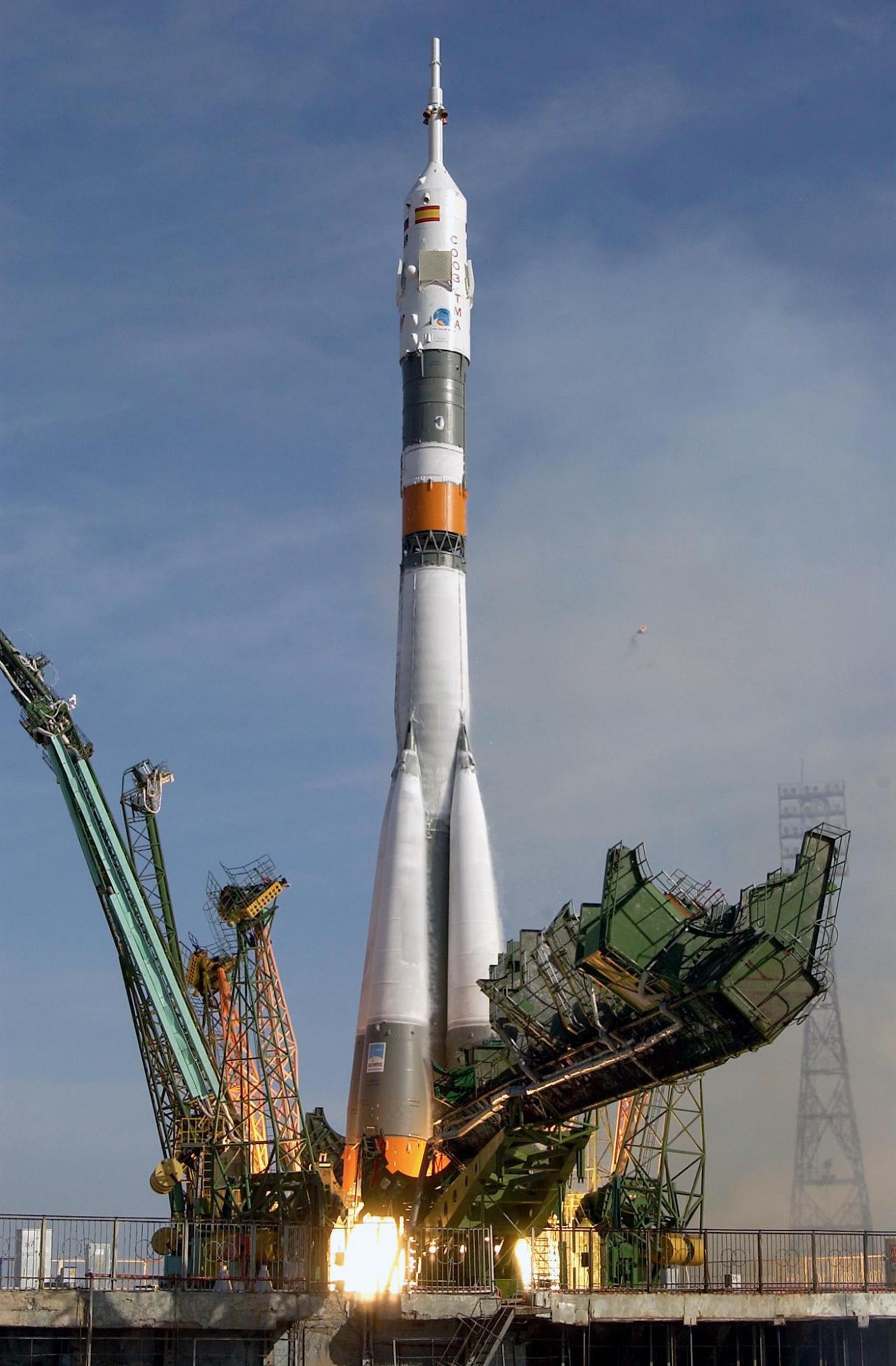
Soyuz-U · Soyuz T-10a / T-10-1
Launched 1983-09-26 19:37:49 UTC1/5, Baikonur Cosmodrome, Republic of Kazakhstan
Approximately 90 seconds before the intended launch, a bad valve caused nitrogen pressurization gas to enter the RP-1 turbopump of the Blok B strap-on. The pump began spinning up, but with no propellant in it, RPM speeds quickly exceeded its design limits which caused it to rupture and allow RP-1 to leak out and start a fire which quickly engulfed the base of the launch vehicle.
From Launch Library 2 · updated
Launch failure
Target: Low Earth Orbit
Soyuz U lifted off with Soyuz 7K-ST No.16L (Soyuz T-10a / T-10-1), but the launch failed.
Next
Waiting on the Cause
No cause has been given yet. What Soviet Space Program finds will be added here, and to the updates below.
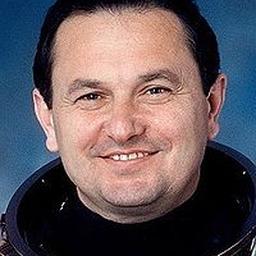
Soyuz T-10a, also known as T-10-1, was supposed to be the third long-duration expedition to the Salyut 7 space station. The mission would have launched Commander Vladimir Titov and Flight Engineer Gennady Strekalov on September 26, 1983, 19:37:49 UTC, however the launch vehicle was destroyed on the launch pad by fire. The launch escape system in the Soyuz spacecraft fired two seconds before the launch vehicle exploded, saving the crew. It is so far the only case in which a launch escape system has been fired with a crew aboard.
The Soviet space program, was the national space program of the Union of Soviet Socialist Republics (USSR) actived from 1930s until disintegration of the Soviet Union in 1991. The Soviet Union's space program was mainly based on the cosmonautic exploration of space and the development of the expandable launch vehicles, which had been split between many design bureaus competing against each other. Over its 60-years of history, the Russian program was responsible for a number of pioneering feats and accomplishments in the human space flight, including the first intercontinental ballistic missile (R-7), first satellite (Sputnik 1), first animal in Earth orbit (the dog Laika on Sputnik 2), first human in space and Earth orbit (cosmonaut Yuri Gagarin on Vostok 1), first woman in space and Earth orbit (cosmonaut Valentina Tereshkova on Vostok 6), first spacewalk (cosmonaut Alexei Leonov on Voskhod 2), first Moon impact (Luna 2), first image of the far side of the Moon (Luna 3) and unmanned lunar soft landing (Luna 9), first space rover (Lunokhod 1), first sample of lunar soil automatically extracted and brought to Earth (Luna 16), and first space station (Salyut 1). Further notable records included the first interplanetary probes: Venera 1 and Mars 1 to fly by Venus and Mars, respectively, Venera 3 and Mars 2 to impact the respective planet surface, and Venera 7 and Mars 3 to make soft landings on these planets.
Launches
2,456
Successful
2,288
93%
Upcoming
0
scheduled
Height
51.1m
Diameter
3m
To low Earth orbit
6,900kg
Space Launch Now for iOS and Android
Follow Soviet Space Program to hear when findings come out and when Soyuz U flies next.