 Space Launch Now
Upcoming Launches
All upcoming launchesLoading launches
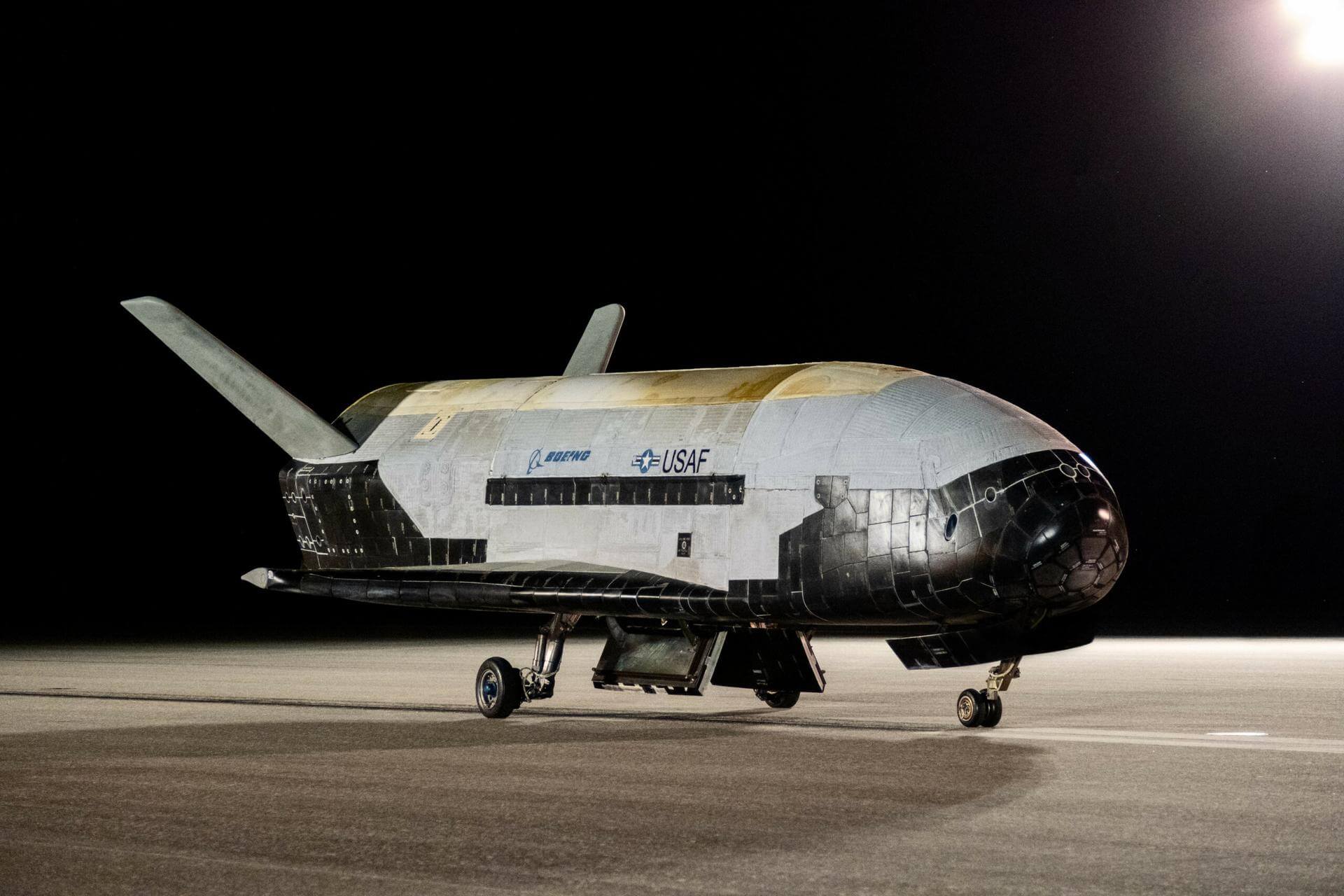
Active· Boeing· spaceplane
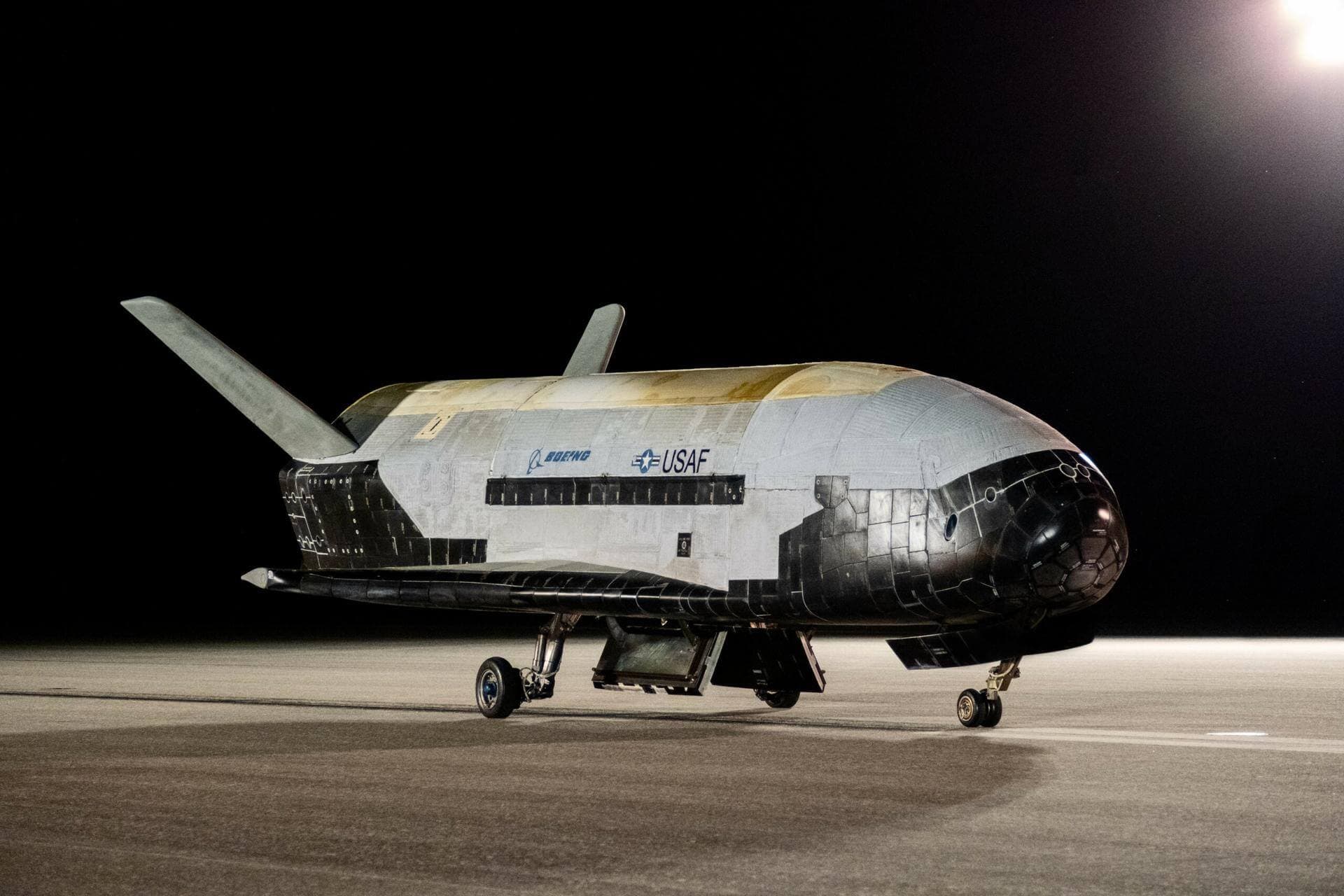
The Boeing X-37, also known as the Orbital Test Vehicle (OTV), is a reusable robotic spacecraft. It is boosted into space by a launch vehicle, then re-enters Earth's atmosphere and lands as a spaceplane.
Launches
8
every one successful
Spacecraft flown
2
Landings
7 of 7
successful
Fastest turnaround
123 days
for one craft
Latest launch
Aug 22
on OTV-8 (X-37B) (USSF-36)
Docked2240 days so far
First X-37B.
One block per flight, sorted by flights
2
2
4
First flight: OTV-2 (X-37B) (USA-226), 2011
1
1
4
First flight: OTV-1 (X-37B) (USA 212), 2010in space now
In 1999, NASA selected Boeing Integrated Defense Systems to design and develop an orbital vehicle, built by the California branch of Boeing's Phantom Works. Over a four-year period, a total of US$192 million was spent on the project, with NASA contributing US$109 million, the U.S. Air Force US$16 million, and Boeing US$67 million. In late 2002, a new US$301 million contract was awarded to Boeing as part of NASA's Space Launch Initiative framework.
No launches of this spacecraft are on the schedule.
 OTV-8 (X-37B) (USSF-36)SpaceX · Falcon 9 Block 5 · Launch Complex 39A, Kennedy Space Center, FL, USALaunch Successful
 OTV-7 (X-37B) (USSF-52)SpaceX · Falcon Heavy · Launch Complex 39A, Kennedy Space Center, FL, USALaunch Successful
 OTV-6 (X-37B) (USSF-7)United Launch Alliance · Atlas V 501 · Space Launch Complex 41, Cape Canaveral SFS, FL, USALaunch Successful
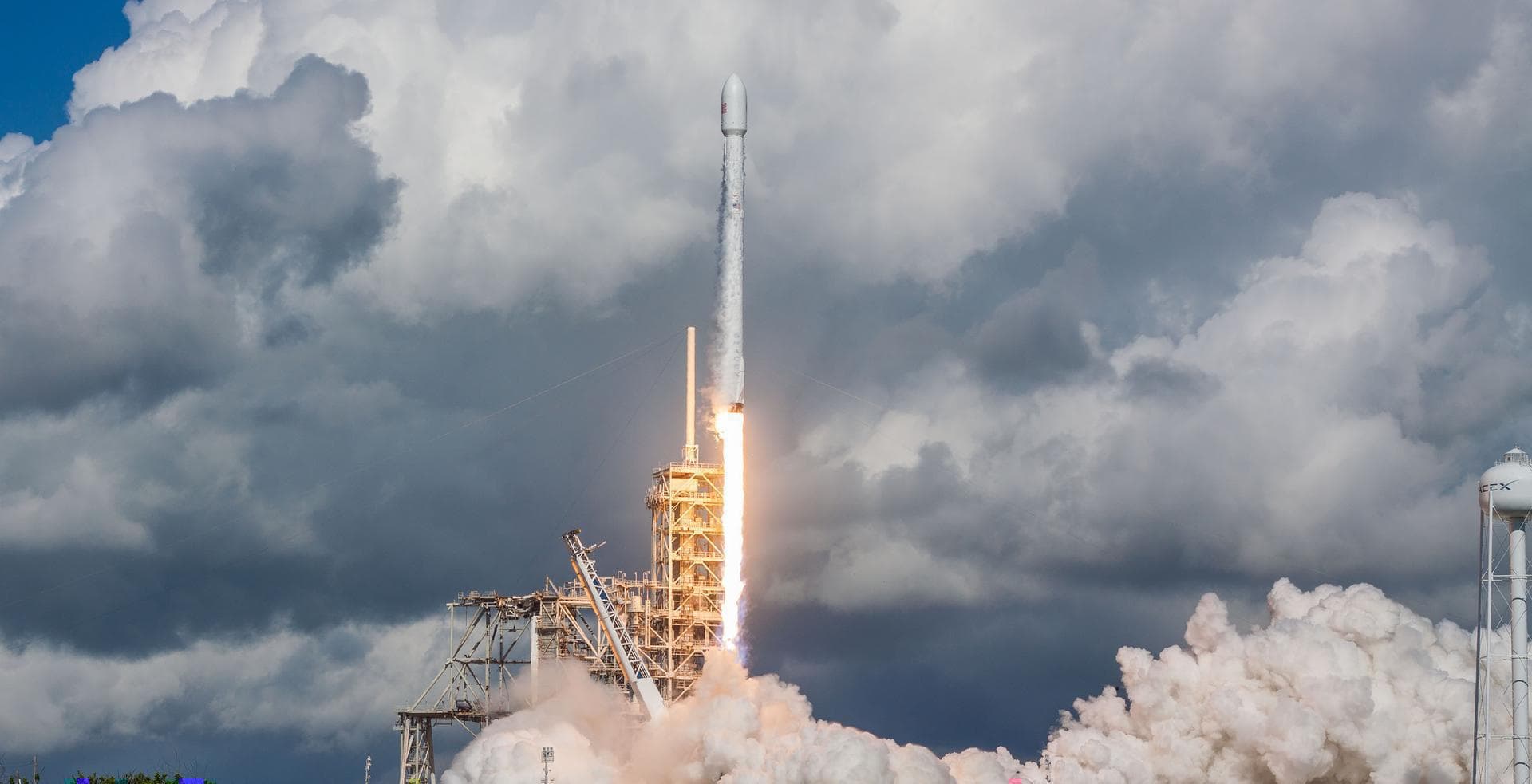 OTV-5 (X-37B)SpaceX · Falcon 9 Block 4 · Launch Complex 39A, Kennedy Space Center, FL, USALaunch SuccessfulOTV-4 (X-37B) (USA 261) (AFSPC-5) & ULTRASat cubesat deployerUnited Launch Alliance · Atlas V 501 · Space Launch Complex 41, Cape Canaveral SFS, FL, USALaunch Successful
Space Launch Now for iOS and Android
Get alerts for launch, docking and splashdown, with the crew on every launch page.